Why seeing up close gets harder with age – The universal shift in how our eyes work

Venla Väänänen
Marketing Director
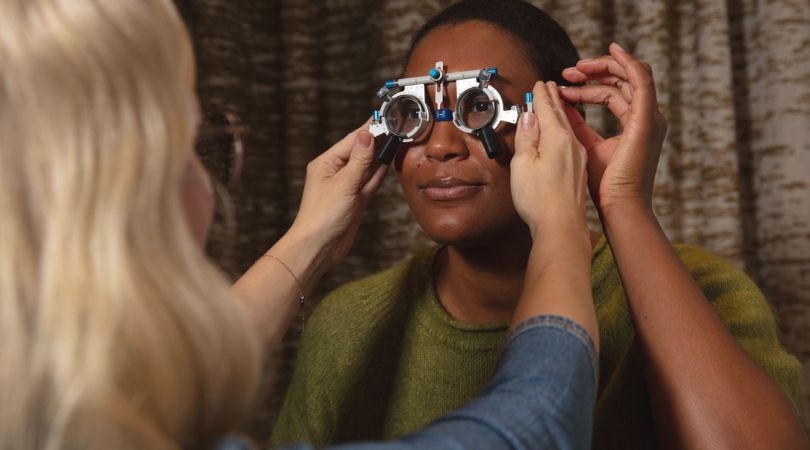
At some point, reading gets harder for everyone. You know the feeling. You hold your phone further away and squint to read the menu.
It’s called presbyopia, and it happens to almost everyone, usually starting in their 40s. To understand what’s behind it — and why fixing it isn’t as simple as it seems — we spoke with our science, optical, and ophthalmology experts.
What's actually changing inside your eye
Presbyopia (often referred to as age-related farsightedness) is the gradual loss of the eye’s ability to focus on nearby objects. To understand presbyopia, we need to start with how the eye works.
Inside the eye, there is a small, transparent lens called the crystalline lens. It changes shape depending on where we look. If you look at your hand the crystalline lens thickens to increase optical power. If you look at the horizon, it relaxes again. This constant adjustment allows us to shift focus between distances without the need to think about it, and when we're young, this process is automatic and continuous.
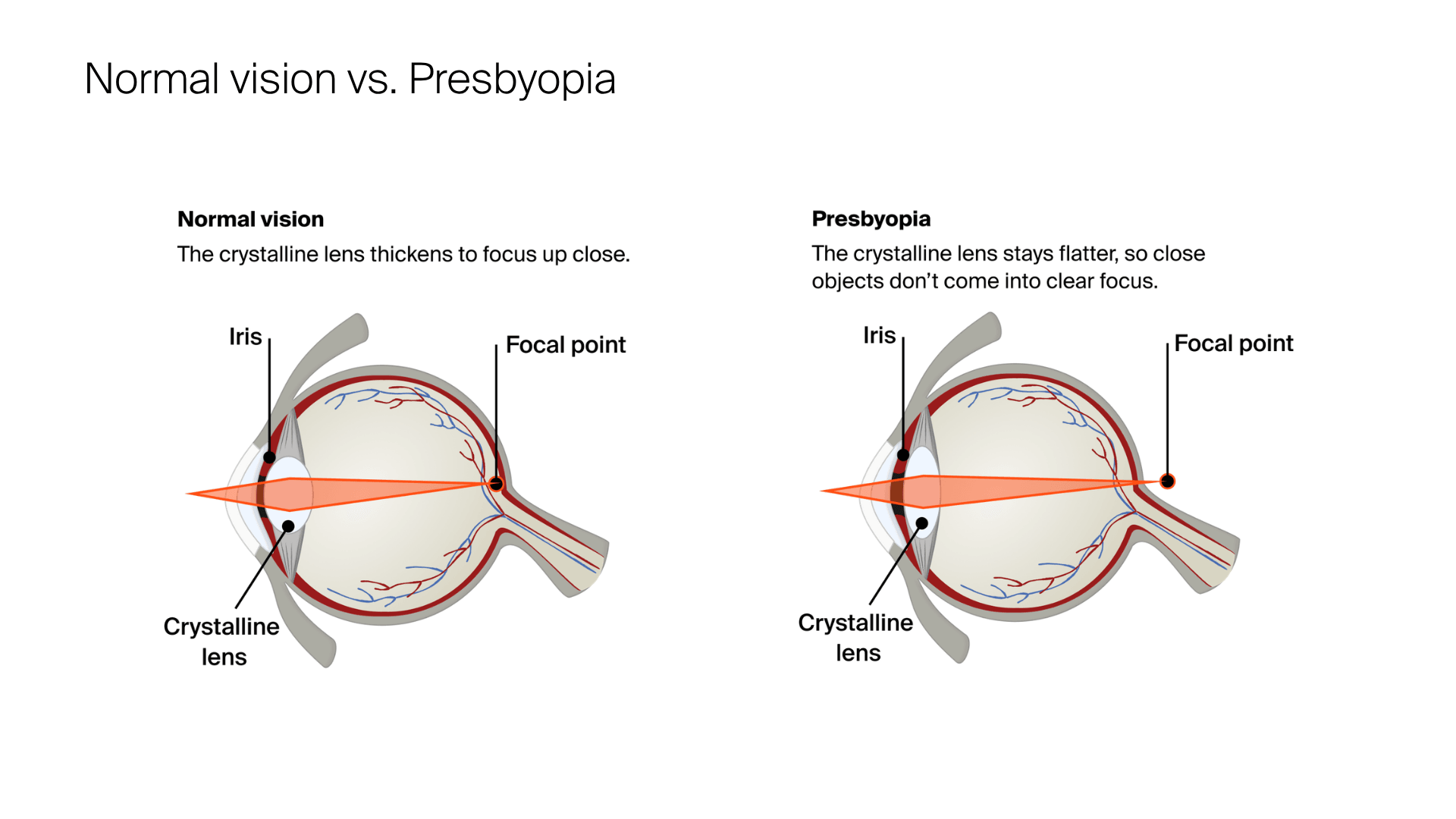
However, like most things in the body, our crystalline lens becomes less flexible as we age. Near vision is affected first, because it requires the most optical power. You notice it in small moments. Reading a receipt. Checking a price tag. Looking down at your phone in low light.
At a deeper level, our crystalline lens is actually changing its structure. The proteins inside it slowly form tighter bonds over time, which makes it more rigid and less able to adjust focus.
Why correcting near vision is harder than it sounds
At first, the solution to weakening near vision seems obvious. If the eye can’t adjust focus correctly, glasses should do it instead. But vision isn't fixed — it's constantly shifting. Near, far, everything in between. A single setting doesn't work. That's where the challenge begins.
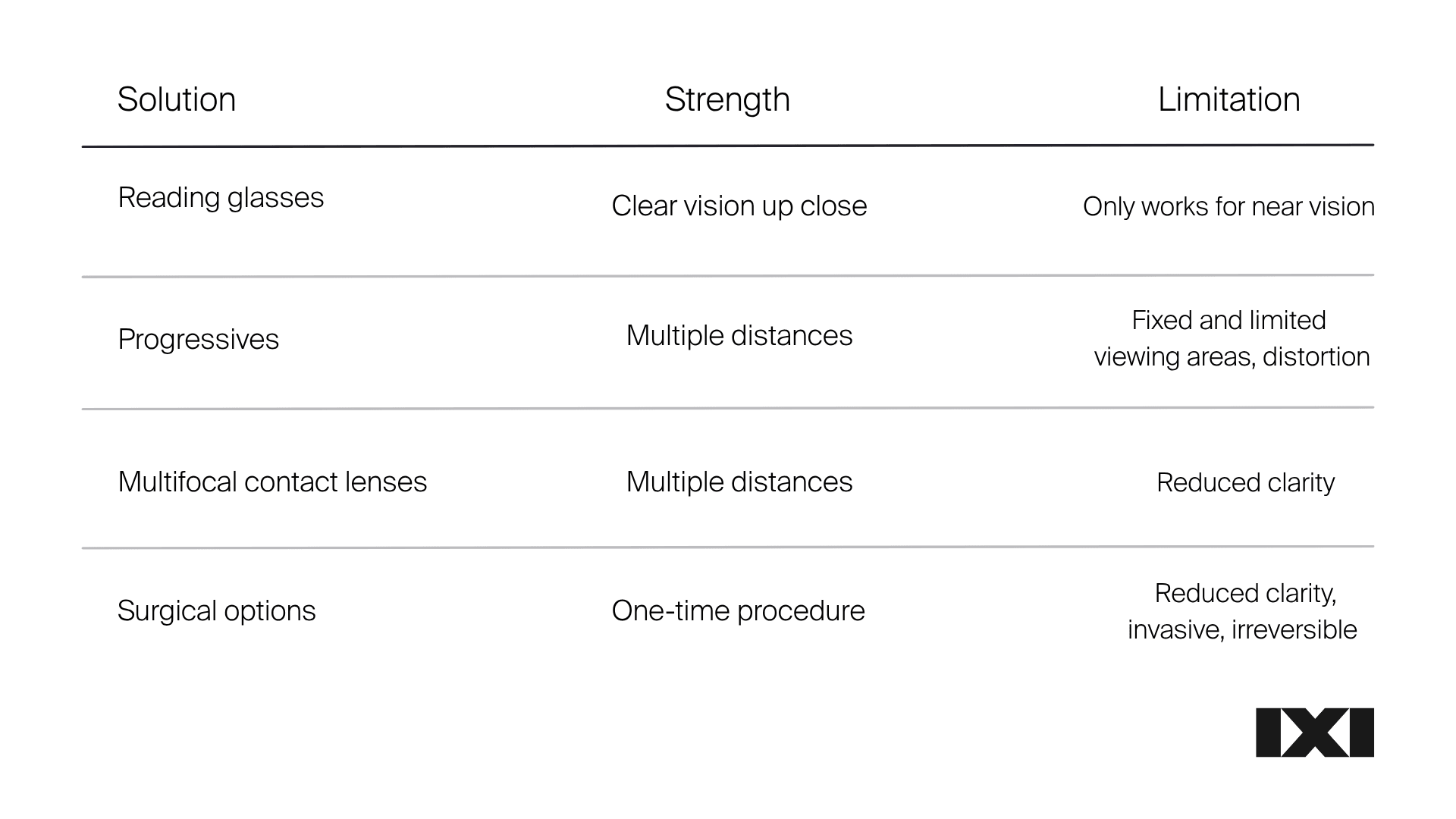
There are a few common ways to correct near vision but each option has a trade-off:
Reading glasses
The simplest solution. You put them on to read, and take them off for everything else. They only correct one distance, which means they come off the moment you look up from your phone or book. Many people end up leaving pairs in every room — by the bed, at the desk, in the kitchen — just to get through the day.
Separate glasses
A step up from reading glasses, with one pair for near and one for distance. Each does its job well, but the solution introduces a different kind of friction. Throughout the day, you are constantly switching between them, and over time that becomes its own habit to manage alongside everything else.
Progressive lenses
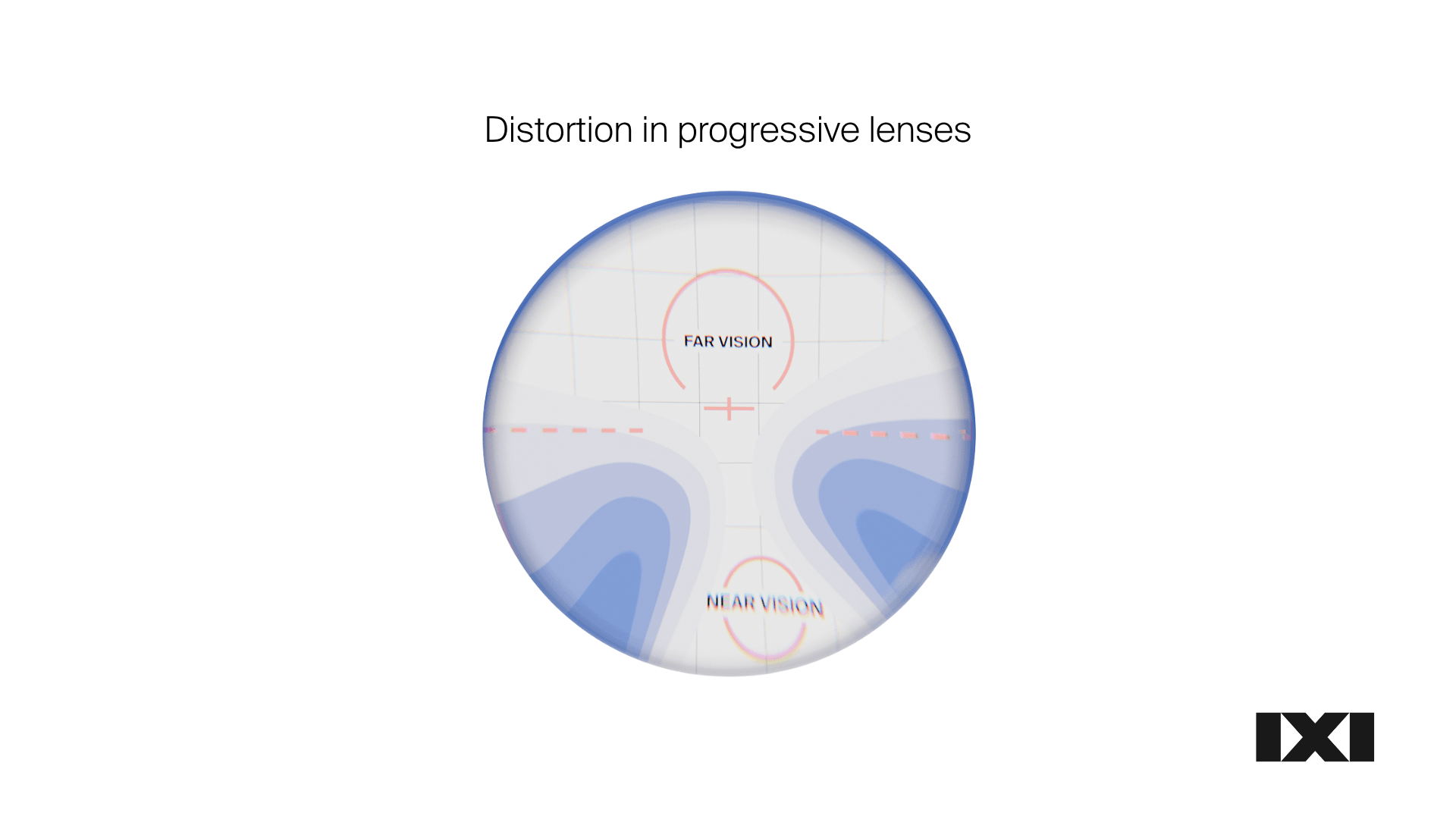
Rather than switching between pairs, progressive lenses combine multiple distances into a single lens, divided into zones. Adjusting to them takes time, often weeks, and many wearers experience dizziness and a swimming sensation whenever they have them on. Outside the central corridor, the image blurs and distorts (pictured below) and for many that distortion never fully goes away.
Multifocal contact lenses
Multifocal contacts work by presenting multiple focal distances at once, letting the brain prioritise the sharpest image. In practice, the eye is always receiving a mix of sharp and slightly blurred information, which means vision across distances tends to be functional rather than truly clear. For many wearers, "good enough" becomes the new normal.
Surgical approaches (such as refractive lens exchange, RLE)
Surgery replaces the eye's natural lens with an artificial one, typically adjusted for distance viewing only. Some artificial lenses attempt to cover both near and far, but this often comes at the cost of clarity, with halos and glare being common side effects. It is an invasive and largely irreversible procedure, and outcomes are not always fully predictable.
The limits of today’s solutions
When you look at all current solutions together, a pattern begins to emerge: each addresses part of the problem, but they all work by asking you to adapt. This pattern isn’t a coincidence but comes from deeper constraints. Optically and mathematically, lens design is bound by physics. A static lens can only distribute optical power in a limited number of ways, and expanding clarity in one area inevitably reduces it in another. The limitations do not stay within the lens — they shift onto the wearer.
Optically and mathematically, the lens design is constrained by physics. Behaviorally, the wearer has to adapt.
Autofocus eyewear: a fundamentally new way to correct presbyopia
Presbyopia has been understood for centuries, yet the way we correct it has remained largely unchanged. Lenses have improved, materials refined, and designs optimized, but all within the same assumption that vision can be corrected with a static lens.
IXI is building the world's first autofocus eyewear. Rather than dividing vision into fixed zones and asking the wearer to adapt, the lenses respond to where you are looking, adjusting in real time so each distance comes into focus when you need it. The result is vision that simply works, wherever you look, in a frame that looks and feels like a classic pair of glasses.
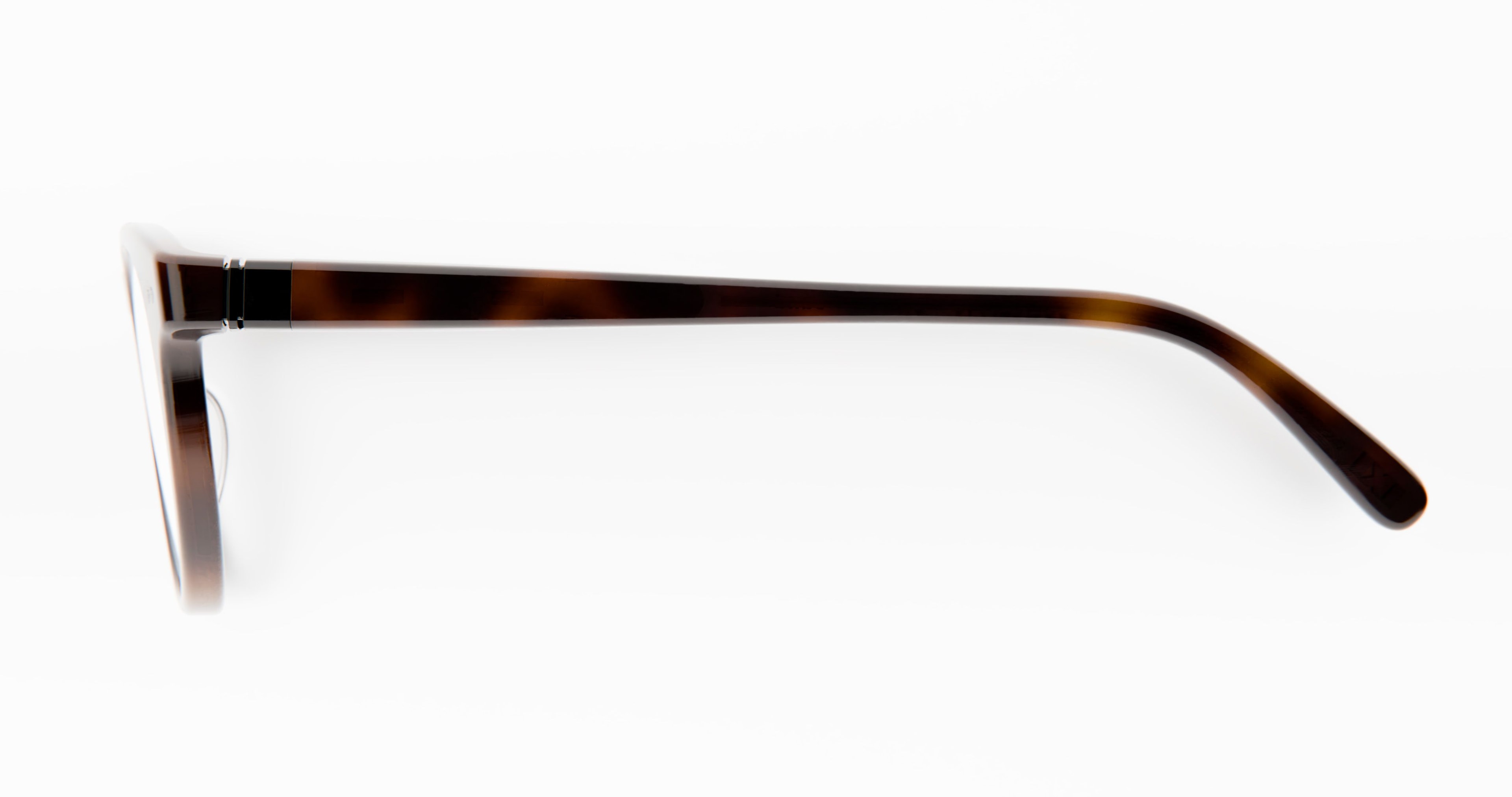
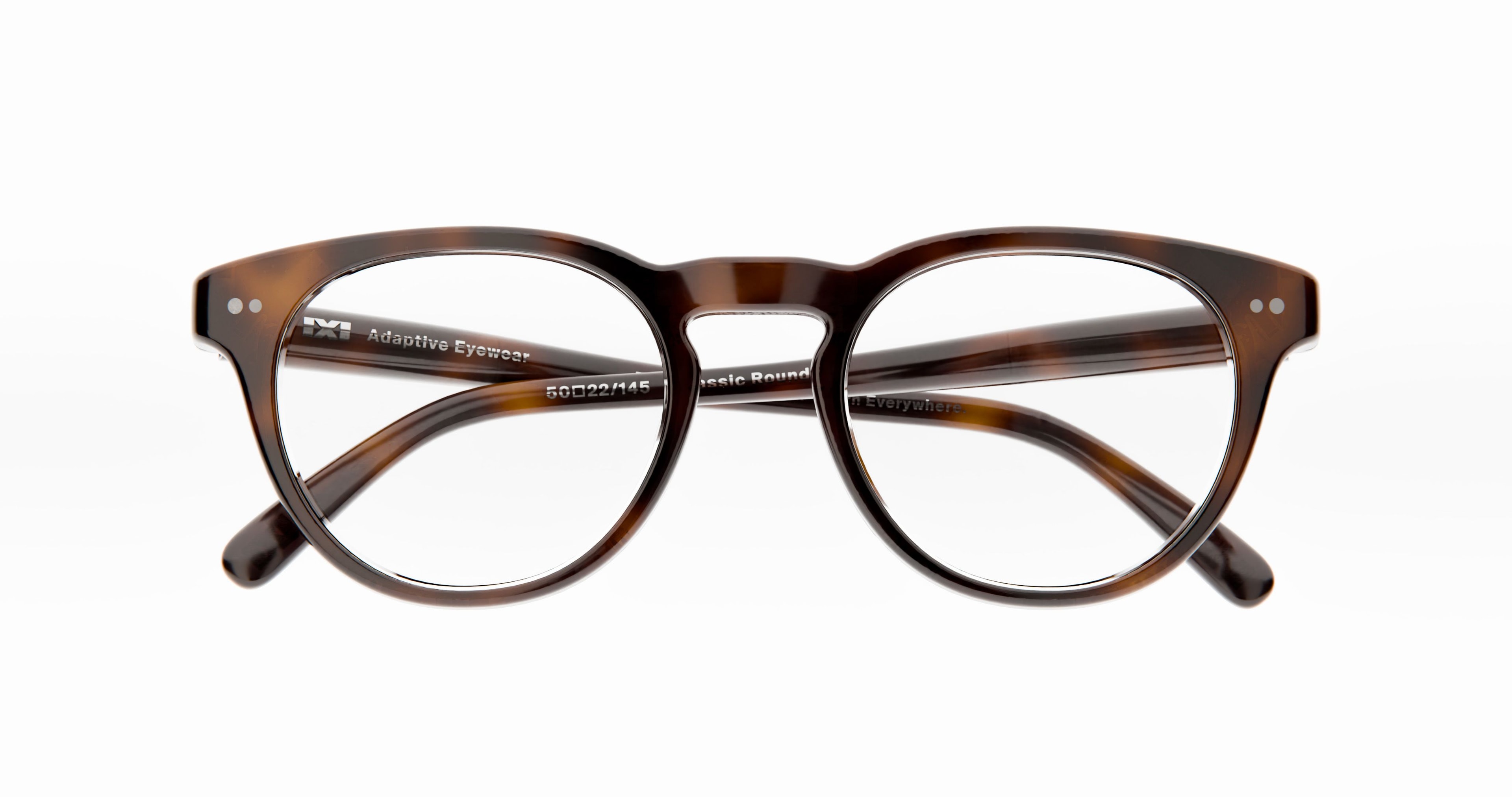
From lens algorithms to frame design, every detail of our product has one mission: to change how the world sees. We’re trying to approximate something nature originally did extraordinarily well.

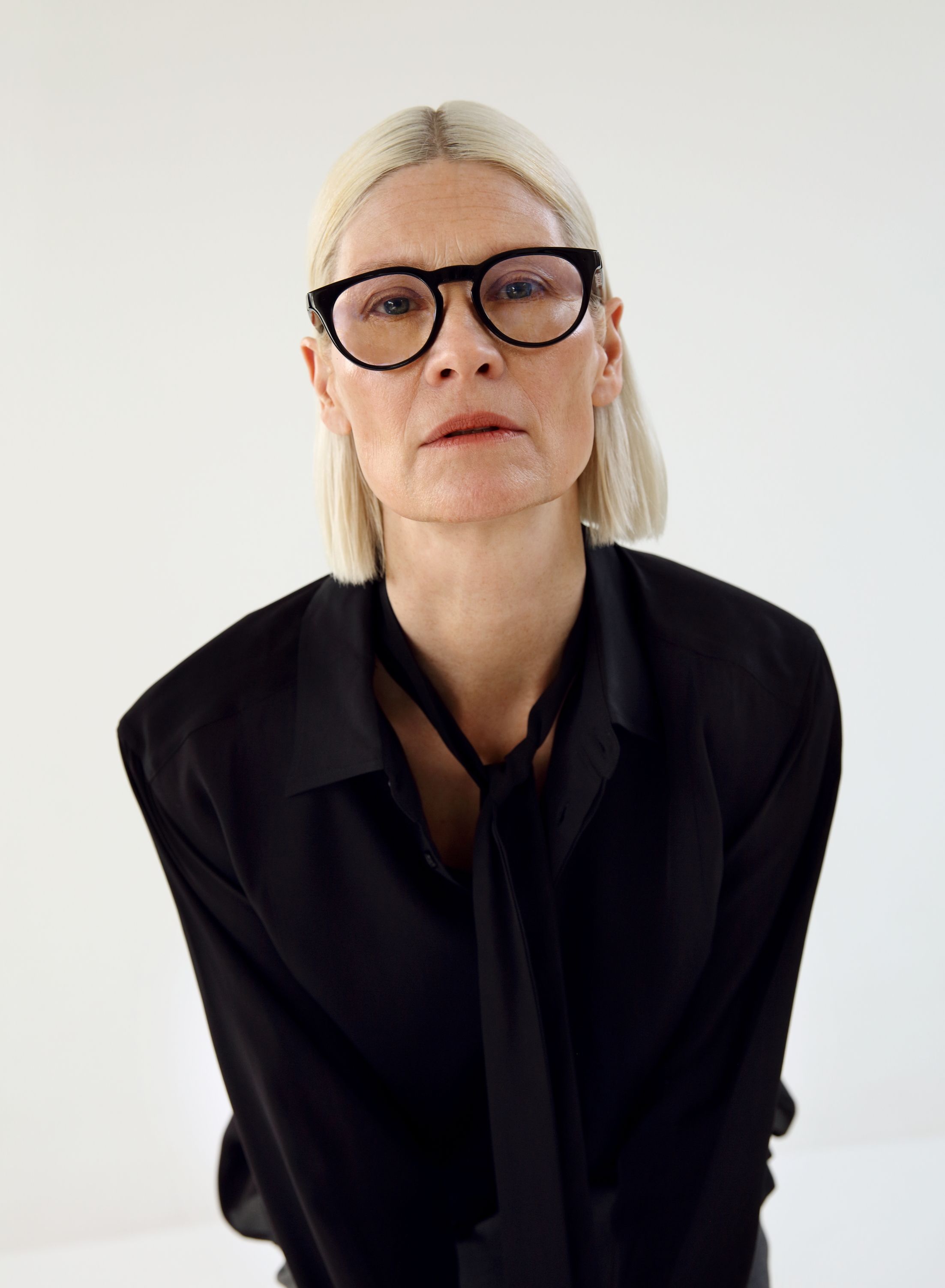
IXI is redefining what vision correction can be. You can follow how this is taking shape in our newsroom, or join the waitlist to be among the first to experience it.